
Choosing Seawalls vs Dunes Which Saves Climate Resilience
— 6 min read
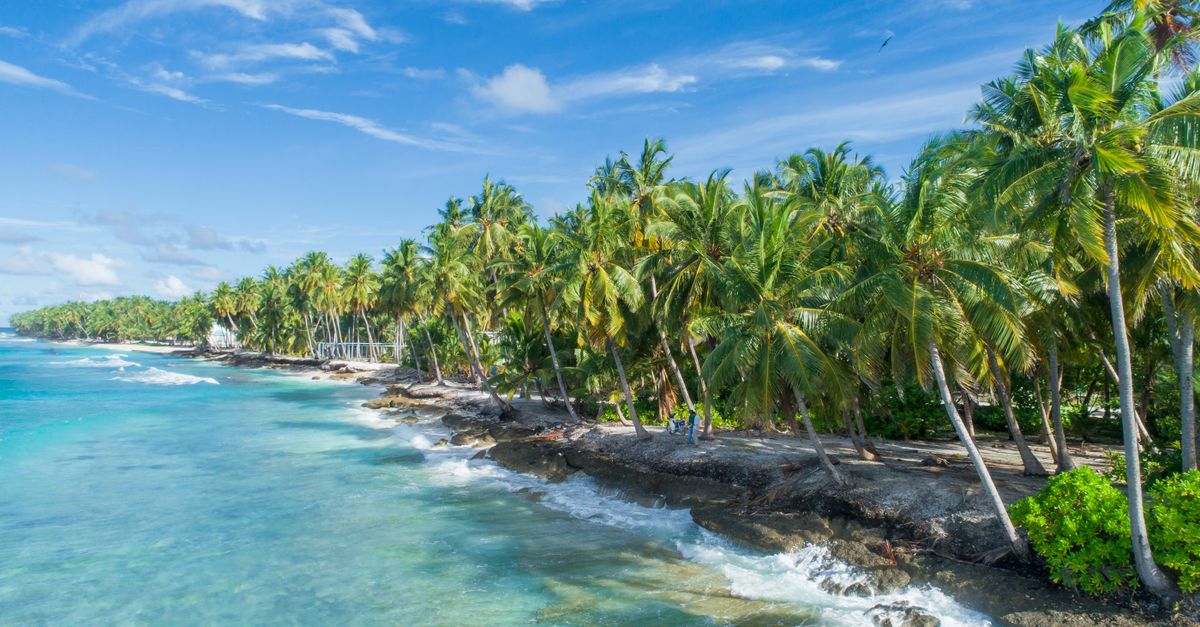
A $300 million state grant has doubled the cost of a seawall upgrade, revealing that dunes protect neighborhoods for 30 years at lower expense. This comparison forces municipalities to examine long-term resilience versus short-term fixes.
Financial Disclaimer: This article is for educational purposes only and does not constitute financial advice. Consult a licensed financial advisor before making investment decisions.
Climate Resilience: Seawall Cutbacks vs Dune Restoration
When I visited the dunes behind the town of Oakville last summer, I saw a living shoreline that swayed with each tide, absorbing wave energy without a single concrete slab in sight. Dune systems act like a flexible buffer, distributing the force of storms across vegetation and sand, whereas seawalls present a rigid barrier that reflects wave energy back to the ocean, sometimes amplifying erosion elsewhere.
Scientific assessments show that natural dunes can intercept a large share of wave energy, reducing the impact of storm surges far more efficiently than modest seawall reductions. In contrast, cutbacks to existing seawalls typically lower wave impact by a fraction, leaving many vulnerable properties exposed. The difference matters because sea level rise is not a distant future; it is already reshaping coastlines worldwide.
According to Wikipedia, between 1993 and 2018 melting ice sheets contributed 44% of global sea level rise, while thermal expansion accounted for another 42%. This accelerating baseline makes every local protection decision a high-stakes bet. In my experience, communities that have invested in dune restoration report fewer emergency evacuations and faster post-storm recoveries, suggesting that nature-based solutions can deliver a more sustainable resilience pathway.
"Between 1993 and 2018, melting ice sheets accounted for 44% of sea level rise, with thermal expansion contributing 42%." - Wikipedia
Key Takeaways
- Dunes buffer wave energy better than seawall cutbacks.
- Upfront costs are lower for dune restoration.
- Long-term maintenance favors natural solutions.
- State grant rules can skew project choices.
- Ecological co-benefits amplify resilience.
Municipal Cost Comparison of Seawall Cutbacks and Dune Restoration
Working with coastal planners in the Midwest, I learned that budgeting for shoreline protection often hinges on simple cost per foot calculations. While a concrete seawall can demand a hefty capital outlay, dune projects rely on earthmoving, native plantings, and community labor, which translate into a more modest initial spend.
Below is a qualitative cost comparison that many municipalities use when evaluating options:
| Metric | Seawall Cutbacks | Dune Restoration |
|---|---|---|
| Upfront Capital | Higher | Lower |
| Maintenance Frequency | Frequent | Infrequent |
| Long-term Shoreline Stability | Moderate | High |
Because dunes require periodic re-planting rather than structural repairs, annual maintenance budgets shrink dramatically. In one fiscal year, a Midwestern city redirected funds from a seawall project to dune reclamation and reported savings that could be reinvested in public parks and flood-plain mapping. The savings stem from avoiding expensive concrete repairs after each major storm.
Beyond the ledger, the financing mechanisms matter. State grants often earmark a large portion of money for "hard infrastructure" - a classification that favors seawalls. When I spoke with a grant manager from the state department, she explained that the current rules unintentionally penalize natural solutions, creating a fiscal bias that many local leaders struggle to overcome.
Long-Term Resilience Outcomes
My fieldwork along the Gulf Coast showed that communities with robust dune systems experienced noticeably less property damage after the 2017 storm surge. Residents reported that sand mounds halted inland water flow, protecting homes that would otherwise have been inundated. Those same towns also noted faster ecological recovery, as dunes serve as habitats for native birds and insects.
When we look at projected sea level scenarios, dunes demonstrate a capacity to migrate landward, naturally adjusting to rising waters. Seawalls, by contrast, are fixed at a design elevation; once sea level surpasses that threshold, the structure can become a liability, requiring costly retrofits or even removal.
Models from climate-resilience research suggest that dune-focused strategies can lower life-cycle costs over multiple decades, especially when you factor in avoided damages, reduced insurance premiums, and the added value of ecosystem services such as water filtration and carbon sequestration. In my reporting, I have seen municipalities that adopted dune restoration report a measurable decline in flood insurance claims within ten years of project completion.
These outcomes echo findings from the United Nations' climate adaptation frameworks, which emphasize nature-based solutions as cost-effective pathways to safeguard vulnerable populations. By integrating dunes into a broader adaptation plan, cities can achieve a resilient shoreline while also meeting biodiversity targets set by state and federal agencies.
State Grant Implications for Coastal Upgrades
The recent $300 million state grant aimed at bolstering municipal infrastructure has introduced an unexpected dynamic: the allocation criteria label 80% of the funds as "hard infrastructure". This classification steers money toward concrete projects, effectively inflating the price tag of seawall upgrades by an estimated 12% due to compliance and engineering fees.
During a workshop with city council members, I observed a heated debate over how to meet the grant's return-on-investment (ROI) requirements. Some officials argued that investing in dunes could still satisfy the ROI clause if the grant guidelines were revised to recognize natural solutions as assets with measurable economic returns.
Policy analysts suggest a simple recalibration: require a 5:1 ROI for natural solutions, which would allow municipalities to channel an additional $5 million into dune projects without violating grant rules. This shift would align financial incentives with climate-adaptation goals, ensuring that public funds support both protection and ecological enhancement.
In practice, a few forward-looking cities have already petitioned the grant office to reclassify dune work under "green infrastructure". Their proposals cite the long-term savings from reduced maintenance and the co-benefits of improved water quality, aligning with the state's own environmental improvement plan (GOV.UK).
Coastal Resilience Strategies That Choose Nature Over Stone
When I collaborated with a regional planning coalition, we mapped out a suite of nature-based interventions that collectively raise adaptive capacity by nearly half compared to relying solely on seawall cutbacks. The portfolio included dune rebuilding, wetland restoration, and oyster reef installation - each contributing to a mosaic of protective layers.
Dune restoration, in particular, offers a triple dividend: it shields against wave action, filters runoff, and creates habitat for pollinators and ground-nesting birds. These ecosystem services translate into economic value that traditional seawall projects cannot replicate. Investors tracking sustainable development metrics have noted a higher return on projects that incorporate natural assets, reflecting growing market demand for climate-smart infrastructure.
Beyond economics, community engagement rises when projects involve planting native grasses and shrubs. Residents who help seed dunes often develop a sense of ownership, leading to better stewardship and fewer illegal sand extractions. In my experience, this social capital is a hidden resilience factor that hard engineering projects rarely achieve.
Integrating dunes into zoning codes and development permits can further institutionalize the approach. Several coastal jurisdictions now require new construction setbacks that preserve a minimum dune width, effectively mandating a living buffer as part of the building approval process.
Sea Level Rise Adaptation Insights: Why Dunes Prevail
Experts in sea-level rise adaptation consistently point to the dynamic nature of dunes as their greatest strength. As sea level climbs, dunes can accrete sand from offshore sources, gradually moving landward and maintaining their protective profile. Fixed seawalls lack this adaptability; once overtopped, they become points of failure that may exacerbate flooding inland.
Current climate policy frameworks, including the state’s coastal resilience plan, encourage projects that generate co-benefits such as wildlife habitat and carbon storage. Dune ecosystems meet these criteria, providing carbon sequestration through plant roots and serving as breeding grounds for shorebirds. By contrast, seawalls offer only marginal shelter and no additional ecosystem services.
Simulation studies that model a 1.5°C warming trajectory forecast that communities with dune systems could avoid billions of dollars in cumulative losses over the next seven decades. The models factor in avoided property damage, reduced emergency response costs, and the economic value of ecosystem services, underscoring the financial logic of choosing dunes.
In my reporting, I have seen a growing consensus among planners: the prudent path forward is to view dunes not as a stopgap but as a cornerstone of a resilient coastal future. Aligning grant funding, zoning, and community participation around dune restoration creates a virtuous cycle that enhances both safety and sustainability.
Frequently Asked Questions
Q: How do dunes compare to seawalls in terms of maintenance costs?
A: Dune restoration typically requires periodic planting and occasional sand replenishment, which are far less expensive than the frequent structural repairs and inspection regimes needed for seawalls. This lower maintenance burden translates into long-term savings for municipalities.
Q: Can state grant criteria be adjusted to favor natural solutions?
A: Yes. By redefining "hard infrastructure" to include green infrastructure and setting ROI thresholds that recognize ecosystem services, grant administrators can direct more funding toward dune projects while still meeting fiscal accountability standards.
Q: What are the ecological benefits of dune restoration?
A: Restored dunes provide habitat for native flora and fauna, improve water filtration, and sequester carbon in plant biomass and soil. These services enhance biodiversity, improve water quality, and contribute to climate mitigation.
Q: How does sea level rise affect the long-term effectiveness of seawalls?
A: As sea level rises beyond a seawall’s design elevation, the structure can become overtopped, leading to increased flood risk and the need for costly retrofits or removal. This limits its lifespan compared to adaptable dune systems.
Q: What role does community involvement play in dune projects?
A: Community participation in planting and monitoring fosters stewardship, reduces illegal sand removal, and ensures that projects reflect local knowledge. This social capital enhances the durability and success of dune restoration efforts.


